
Comprehensive Guide to Biopsy Procedures
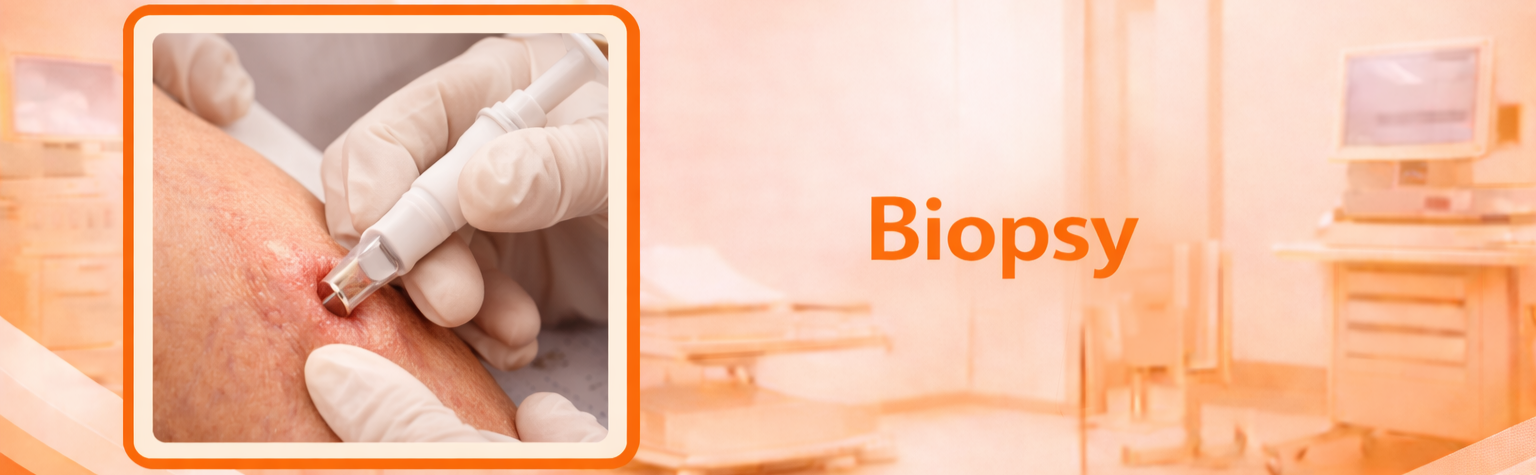
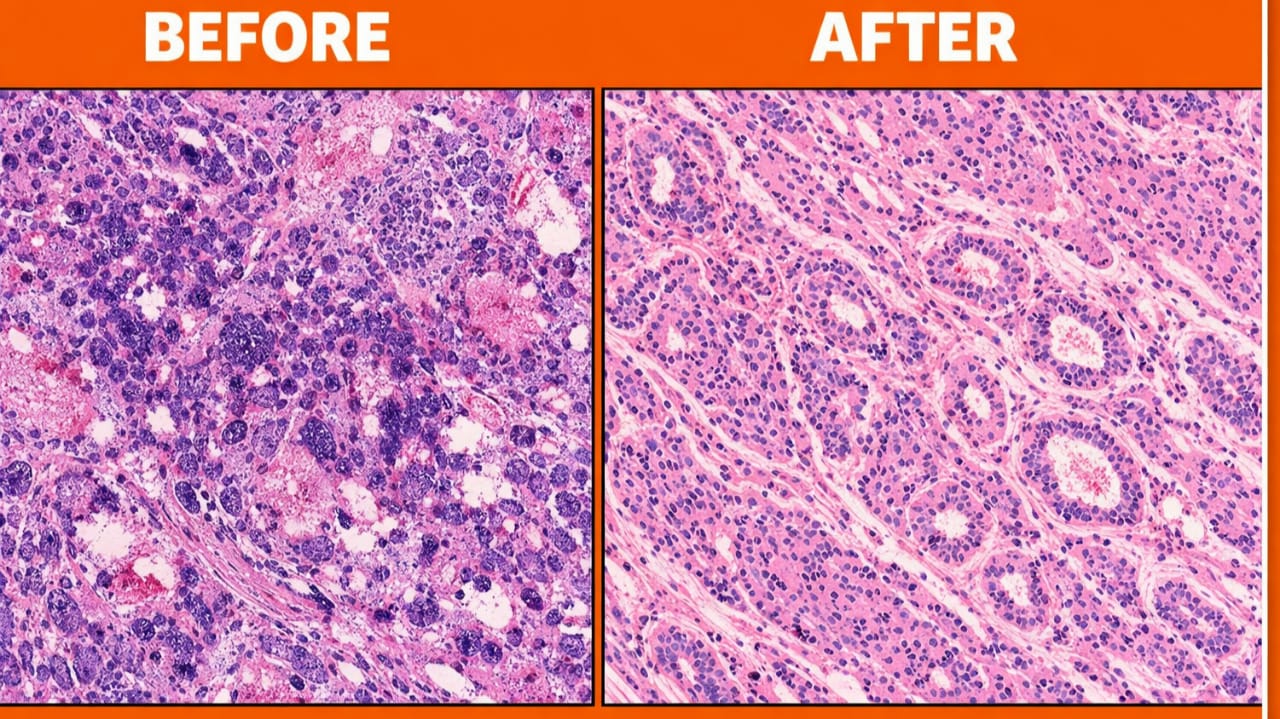
A biopsy is a medical procedure in which a small sample of tissue is removed from the body for laboratory examination. It is the gold standard for diagnosing abnormal growths, lumps, or suspicious lesions. Biopsies help doctors determine whether a growth is benign or malignant, and guide further treatment planning.
At Shettys Skin Sciences, we specialize in safe, minimally invasive biopsy procedures, using the latest technology to ensure patient comfort, accurate results, and minimal scarring. Understanding biopsy types, preparation, and recovery can reduce anxiety and improve outcomes.
Why Biopsies Are Important
Biopsies are essential for accurate diagnosis. Many skin or internal lumps appear harmless but could require prompt intervention. Early biopsy allows doctors to detect malignant or pre-cancerous changes and decide the appropriate treatment.
- Confirm whether a lump is benign or malignant
- Identify the exact type of abnormal tissue
- Guide treatment planning for tumors or lesions
- Prevent unnecessary treatments or surgeries
- Monitor suspicious lesions over time
Early detection through biopsy can significantly improve patient outcomes, especially in conditions like skin cancer, thyroid nodules, breast lumps, and internal organ abnormalities.
Types of Biopsy
- Needle Biopsy: Removes small tissue cores using a fine needle; minimally invasive and quick.
- Incisional Biopsy: Removes a portion of the lesion to examine; often used for larger growths.
- Excisional Biopsy: Complete removal of the lesion for detailed analysis.
- Punch Biopsy: Common for skin lesions; circular piece of skin is removed for examination.
- Image-Guided Biopsy: Uses ultrasound, CT, or MRI guidance for precise sampling of internal tissues.
Preparing for a Biopsy
- Consult your doctor about medications, especially blood thinners.
- Follow any fasting instructions if sedation is required.
- Inform your doctor about allergies or medical conditions.
- Arrange transportation if anesthesia or sedation is used.
- Discuss expectations, procedure steps, and possible risks with your doctor.
Benefits of Biopsy
- Accurate diagnosis of suspicious growths
- Early detection of cancerous changes
- Helps avoid unnecessary major surgeries
- Guides personalized treatment planning
- Provides reassurance for benign findings
Procedure Details
Biopsy procedures vary depending on location, size, and suspected condition. The area is cleaned and numbed with local anesthesia. The selected biopsy method (needle, punch, incisional, or excisional) is performed under sterile conditions. The tissue sample is then sent to a pathology lab for detailed examination.
Recovery & Aftercare
Recovery is usually quick. For most minor biopsies, patients can resume normal activities within 24-48 hours. Some swelling, bruising, or mild discomfort is common. Proper wound care and adherence to medical advice ensure faster healing and prevent infection.
- Keep the biopsy site clean and dry
- Apply prescribed ointments or dressings
- Avoid strenuous activities or direct pressure on the area
- Watch for signs of infection: redness, pus, increasing pain
- Attend follow-up appointments to review results
Tips for Patients
- Ask your doctor questions about procedure, results, and follow-up.
- Maintain a healthy lifestyle to support healing.
- Keep a record of biopsy results for future reference.
- Report unusual symptoms promptly to your physician.
- Understand that a biopsy is diagnostic; treatment may follow based on results.
Why Choose Shettys Skin Sciences
We offer expert, patient-friendly biopsy services using modern techniques and sterile protocols. Our team prioritizes accurate diagnosis, minimal discomfort, and quick recovery. From consultation to post-procedure care, every step is handled with professionalism, ensuring safety and peace of mind.