
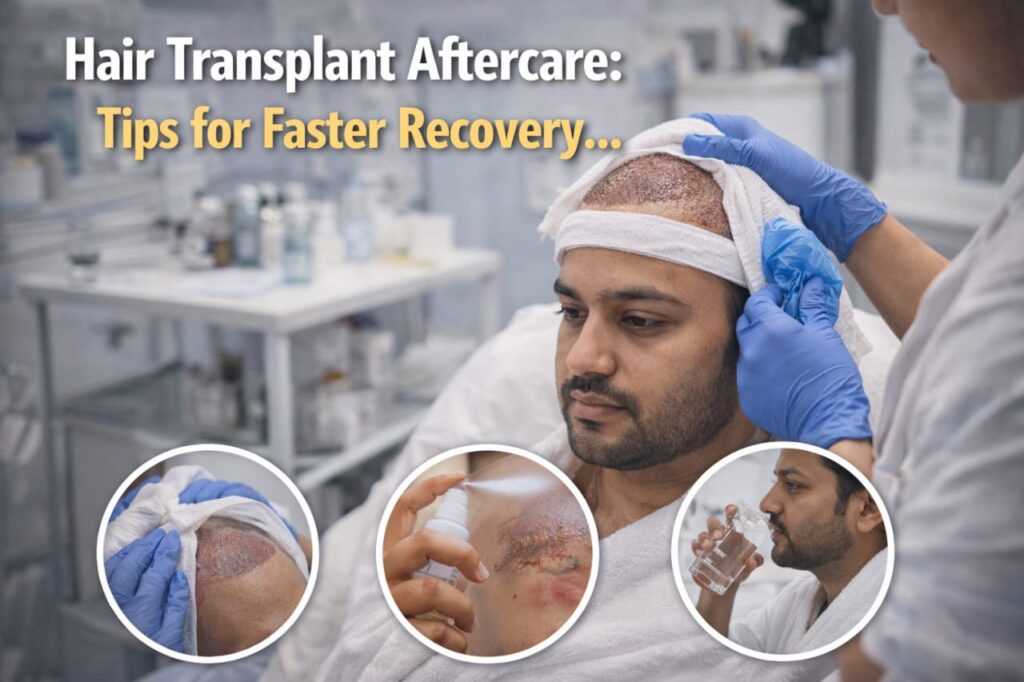
Hair Transplant Aftercare: Why It Matters From Day One
Hair Transplant Aftercare plays a crucial role in determining how successful your procedure will be. The first few days after a hair transplant are extremely sensitive, and how you treat your scalp during this time directly affects hair growth, healing speed, and overall results. Proper aftercare not only prevents infections but also ensures that the transplanted grafts settle securely into your scalp.
Many people focus only on the surgery itself, but the real transformation depends on what you do afterward. Following the right routine can make the difference between average and outstanding results.
Essential Hair Transplant Aftercare Tips for Faster Recovery
When it comes to Hair Transplant Aftercare, consistency and care are key. Your scalp needs time to heal, and rushing the process can damage newly implanted follicles.
Here are some essential tips:
- Avoid touching or scratching the scalp
- Sleep with your head elevated for at least 3–5 days
- Use only prescribed shampoos and medications
- Stay away from dust, pollution, and direct sunlight
- Avoid strenuous physical activities for a week
These small but important habits will help your scalp recover faster and protect your investment.
Hair Transplant Aftercare Routine: Day-by-Day Guidance
A structured Hair Transplant Aftercare routine makes healing smoother and stress-free. Each stage of recovery has specific requirements.
Day 1–3:
Your scalp is very delicate. You may notice redness and slight swelling. Do not wash your hair during this period unless advised.
Day 4–7:
Gentle washing begins. Follow your doctor’s instructions carefully. Avoid strong water pressure.
Week 2 onwards:
Scabs start falling off naturally. Do not pick them. Hair shedding may begin—this is completely normal.
Sticking to a proper Hair Transplant Aftercare schedule ensures steady recovery and healthy regrowth.
Common Mistakes to Avoid in Hair Transplant Aftercare
Ignoring proper Hair Transplant Aftercare can lead to complications and poor results. Many patients unknowingly make mistakes that affect their outcome.
Avoid these:
- Rubbing or massaging the scalp too early
- Smoking and alcohol consumption
- Skipping medications
- Wearing tight caps or helmets
- Exposure to excessive heat or sweat
Being mindful of these mistakes helps maintain graft survival and speeds up healing.
Diet and Lifestyle Tips for Better Healing
Your recovery is not just about external care—internal health matters too. A balanced diet supports Hair Transplant Aftercare by improving healing and hair growth.
Include:
- Protein-rich foods like eggs, fish, and lentils
- Fruits rich in vitamins A, C, and E
- Plenty of water for hydration
- Nuts and seeds for essential nutrients
Also, maintain good sleep and reduce stress. A healthy lifestyle complements your Transplant Aftercare routine perfectly.
When Will You See Results?
Patience is an important part of Hair Transplant Aftercare. Results don’t appear overnight, and understanding the timeline helps manage expectations.
- 2–4 weeks: Shedding phase
- 3–4 months: Initial hair growth
- 6–9 months: Noticeable improvement
- 12 months: Full results
Following proper Hair Transplant Aftercare ensures that your results are not only visible but long-lasting and natural-looking.
Final Thoughts
In the end, Transplant Aftercare is just as important as the procedure itself. Taking the right precautions, following expert advice, and maintaining a healthy routine can significantly improve your outcome.
Your new hair is an investment—treat it with care, give it time, and you’ll enjoy natural, fuller hair for years to come.
Leave a Comment
Your email address will not be published. Required fields are marked *